


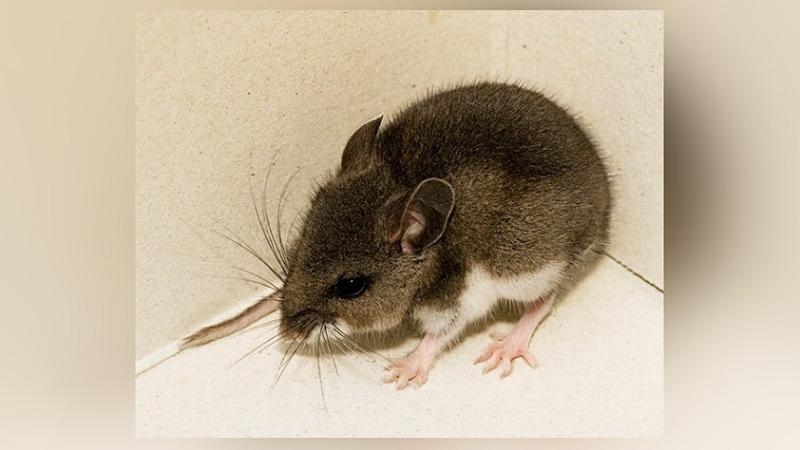
An annual right of spring on the farm is cleaning out buildings and vehicles.
With that comes an increased threat of infection caused by breathing in contaminated airborne particles from the droppings, urine, and saliva of infected deer mice.
In western North America, deer mice are the primary carriers of the particular strain of hantavirus that causes respiratory illness in people. Compared to house mice or field mice, deer mice have relatively large eyes and ears, long tails and are bicoloured. The belly and underside of their body is white, and the back and upper part of their tail is dark brown or gray.
Saskatchewan Deputy Chief Medical Health Officer Dr. Julie Kryzanowski said the virus can cause a rare, but potentially fatal lung disease known as Hantavirus Pulmonary Syndrome.
“Exposure most often occurs when cleaning up sheds, barns, garages, cabins, or vehicles after winter,” Kryzanowski said. “Particles can become airborne after sweeping, but it’s also possible to get the virus by touching something that has been contaminated, and then touching your nose, mouth or eyes.”
Symptoms usually start within one to six weeks of exposure. They include fever, muscle aches, cough, headaches, nausea, and vomiting. Some people develop severe symptoms that can be life threatening. If these symptoms escalate to a cough, fever, and shortness of breath, you should seek medical attention immediately.
When cleaning rodent-infested areas, several precautions must be taken.
Ventilate the building by opening doors and windows, and then leave the area for at least 30 minutes before cleaning. Avoid using dry cleaning methods such as dusting, sweeping, vacuuming, or air-hosing and instead use wet mopping methods and wear rubber or plastic gloves.
It is recommended that goggles and a well-fitting N-95 type filter mask be worn when cleaning areas contaminated by droppings. Dampen areas contaminated with rodent droppings with bleach disinfectant and remove droppings with a damp mop or cloth.
Another option is to steam clean, shampoo or spray upholstered furniture with a detergent, disinfectant or a mixture of bleach and water; and then wash exposed clothes and bedding with detergent in hot water.
In areas where there are significant rodent infestations, prevention is important. Block any openings that might allow rodents to enter a building, store human and animal food, water and garbage in pest-proof/resistant containers with tightly fitted lids and move woodpiles or other potential hiding places for mice away from your home.
Between 1994 and 2022, 37 cases of hantavirus pulmonary syndrome were reported in Saskatchewan; 13 of those cases were fatal.
–
alice.mcfarlane@pattisonmedia.com
On Twitter: @farmnewsNOW